AMD Ryzen 5 PRO 8500GE
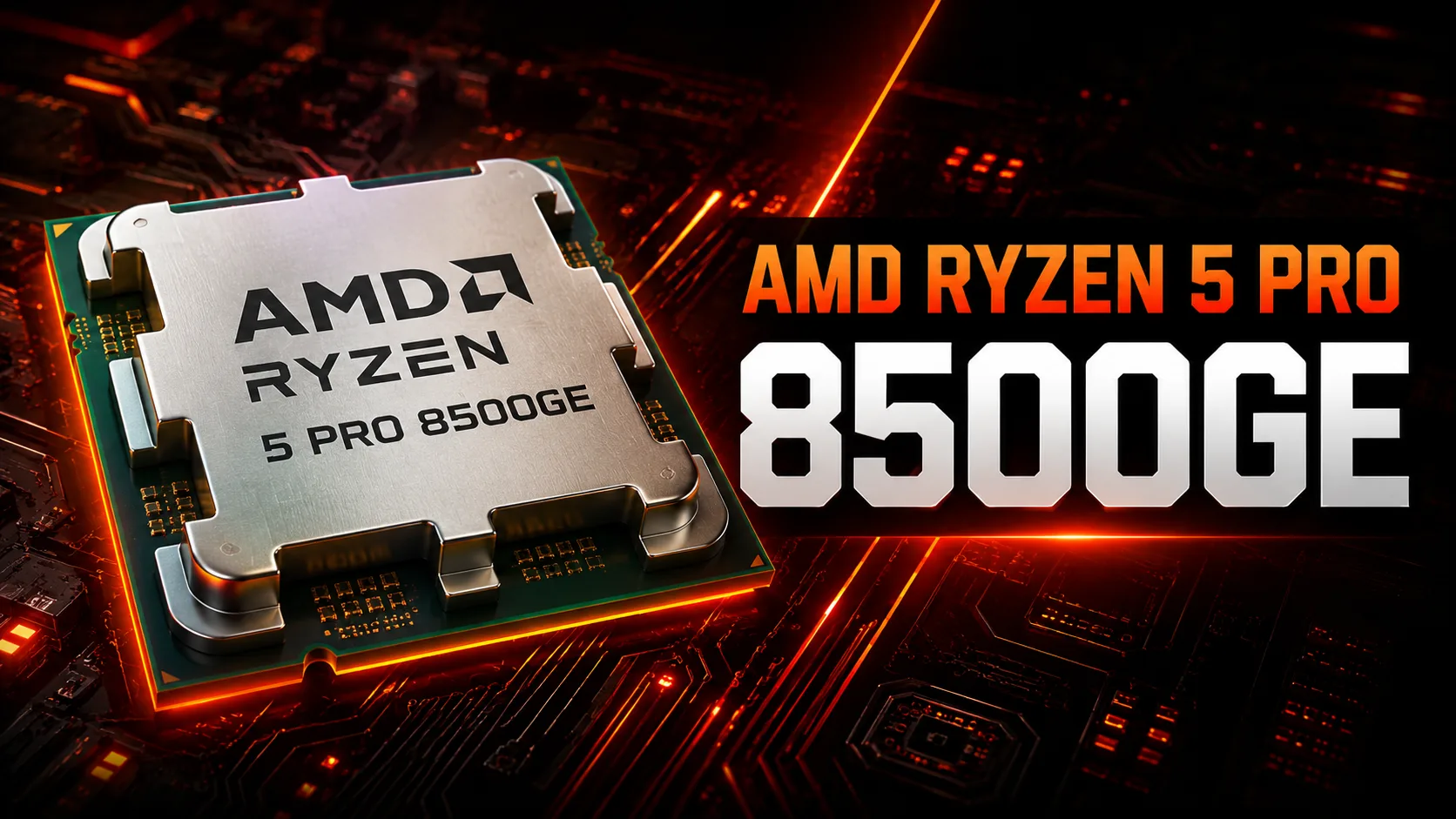
AMD Ryzen 5 PRO 8500GE: 비즈니스와 일상에 적합한 효율적인 "작업용 말" (2025년 6월)
모바일 프로세서의 동적인 세계에서 성능, 에너지 소비 및 비용 간의 균형이 중요한 역할을 하는 가운데, AMD Ryzen PRO 시리즈 모델은 특별한 틈새를 차지하고 있습니다. 이들 모델은 코퍼레이트 사용자와 안정성, 보안 및 관리 가능성을 중시하는 사용자들을 대상으로 하며 현대적인 성능을 희생하지 않습니다. 2024년 중반에 출시되어 여전히 인기를 끌고 있는 AMD Ryzen 5 PRO 8500GE가 그 중 하나입니다. 이 프로세서가 무엇인지, 누구에게 적합한지, 어떤 성능을 제공하는지 알아보겠습니다.
1. 시스템의 심장: Phoenix2 아키텍처와 4nm 공정
-
Zen 4 및 Zen 4c: 하이브리드 접근법: Ryzen 5 PRO 8500GE는 하이브리드 아키텍처 Zen 4 + Zen 4c (코드명 Phoenix2)를 기반으로 합니다. 상위 모델의 전체 "대형" Zen 4 코어와 달리, 여기서는 다음의 조합을 사용합니다:
-
2개의 "대형" Zen 4 코어: 높은 IPC(Instructions Per Cycle - 사이클당 명령 수) 및 단일 스레드 성능을 위한 설계입니다. 각 코어당 1MB의 전체 L2 캐시를 가지고 있습니다.
-
4개의 "집약형" Zen 4c 코어: 효율성과 칩에서의 밀집 배치를 위해 최적화되어 있습니다. L2 캐시가 각 코어당 512KB로 약간 적지만 Zen 4 명령어 세트와의 호환성을 유지합니다. 이들의 역할은 백그라운드 및 멀티스레드 작업을 효율적으로 처리하는 것입니다.
-
총 코어 및 스레드 수: 6개의 물리적 코어(2P + 4E)와 Simultaneous Multithreading (SMT) 기술로 인해 12개의 논리적 스레드입니다.
-
클럭 주파수:
-
기본 주파수 (Performance-core Base): 3.4GHz. 이는 TDP 준수 시 장기적인 안정적인 하중에서 모든 코어에 대한 보장된 주파수입니다.
-
최대 터보 주파수 (Performance-core Max Turbo): 최대 5.0GHz. 이 주파수는 단기적으로 하나 또는 두 개의 "대형" Zen 4 코어가 온도와 전력 여유가 있을 때 도달할 수 있습니다. Zen 4c 코어도 가속화되지만, 이들의 최대 주파수는 보통 더 낮습니다 (~3.7-4.0GHz).
-
캐시 메모리: 모든 코어에 대해 공통적인 16MB의 L3 캐시. 이는 특히 메모리 지연에 민감한 게임 및 애플리케이션에서 성능에 критически 중요합니다.
-
공정: 4nm TSMC FinFET 공정으로 제작되었습니다. 이는 높은 트랜지스터 밀도와 뛰어난 에너지 효율성을 제공합니다.
-
통합 그래픽 Radeon 740M: Phoenix2의 주요 구성 요소 중 하나입니다. 이 그래픽은 RDNA 3 아키텍처를 기반으로 합니다.
-
연산 유닛: 4개 (256 개의 스트림 프로세서).
-
주파수: 일반적으로 1.5 - 2.5GHz 범위에서 동적으로 조정됩니다.
-
기술: DirectX 12 Ultimate, Vulkan, 최신 비디오 인코딩/디코딩(AV1, H.264, H.265/HEVC), AMD FidelityFX Super Resolution (FSR) 에너지 절약 기술을 지원합니다. 이는 이전 세대의 iGPU와 비교할 때 중요한 진전입니다.
2. 에너지 소비 및 TDP: 미세 조정된 균형
-
TDP 35W: 이는 "고효율" 모바일 프로세서의 전형적인 지표입니다. 장기 하중 하에서 노트북의 냉각 시스템이 방출해야 할 계산된 열 전력을 의미합니다.
-
cTDP 범위: 실제로 노트북 제조사는 특정 범위(일반적으로 25-30W에서 45-54W) 내에서 실제 소비 한계를 조정할 수 있습니다. 이는 최종 성능에 영향을 미칩니다:
-
~25-30W: 얇고 가벼운 울트라북에 최적입니다. 성능은 명시된 최대치보다 약간 낮지만 더 나은 배터리 수명과 조용한 작동을 보장합니다.
-
~35-45W: 더 강력한 냉각 시스템이 있는 비즈니스 노트북에 일반적입니다(예: Lenovo ThinkPad T 시리즈, HP EliteBook 800 G10 시리즈). 이 경우 프로세서는 더 자주 그리고 더 오래 높은 주파수로 작동할 수 있습니다.
-
>45W: 이 칩의 경우 드물며 일부 컴팩트 워크스테이션이나 멀티미디어 노트북에서 가능할 수 있습니다.
-
효율성: 4nm 공정 및 하이브리드 Zen 4c 아키텍처는 이 35W 칩을 매우 효율적으로 만들어, 에너지 효율적인 코어가 사용되는 작업에서 특히 그렇습니다.
3. 실제 성능: 사무실에서 가벼운 게임까지
Geekbench 6 숫자(Single Core ~2558, Multi Core ~8777)는 잠재력에 대한 좋은 정보를 제공하지만, 실제로는 어떻게 보일까요?
-
사무 작업 및 멀티태스킹: 완전히 편안합니다. Ryzen 5 PRO 8500GE는 무거운 브라우저 탭(십 수 개), 오피스 패키지(Microsoft 365, Google Workspace), 메신저, 이메일 클라이언트, 심지어 사진 편집(Adobe Lightroom, Affinity Photo)을 동시에 쉽게 처리할 수 있습니다. SMT와 6개 코어는 부드러운 멀티태스킹을 보장합니다.
-
미디어: AV1/H.265 하드웨어 디코딩을 통해 4K 비디오를 CPU에 부담 없이 최소한의 배터리 소비로 시청할 수 있습니다. 1080p에서 간단한 비디오 편집(DaVinci Resolve, Premiere Pro)도 가능하지만, 진지한 작업을 위해서는 더 강력한 iGPU나 디스그리트 그래픽을 고려하는 것이 좋습니다. 오디오 처리 및 음악 스트리밍은 문제 없습니다.
-
iGPU Radeon 740M에서의 게임: TDP 클래스의 경쟁자들과 비교하여 Phoenix2의 강점입니다.
-
e스포츠: CS2, Dota 2, League of Legends, Valorant, Rocket League, Overwatch 2에 이상적입니다. 낮은 설정에서 중간 설정(종종 1080p)으로 안정적인 60+ FPS를 기대할 수 있으며, 덜 요구되는 게임(Minecraft Java/Bedrock, Terraria, Stardew Valley)에서는 수백 프레임을 얻을 수 있습니다.
-
최신 AAA 프로젝트: 상당한 양보가 필요합니다. FSR(품질/밸런스)와 720p 또는 900p 해상도에서 저설정(Low/Medium)을 사용할 경우, 2023-2024년 출시된 많은 게임에서 플레이 가능한 30-45 FPS를 얻을 수 있습니다(예: Hogwarts Legacy, Elden Ring). 편안한 AAA 게임을 위해서는 디스그리트 그래픽 카드가 필요합니다.
-
구식 및 인디 게임: 훌륭한 플랫폼입니다.
-
터보 모드(Precision Boost): 시스템은 부하의 순간적인 증가에 즉시 반응합니다. 응용 프로그램을 열거나 웹 페이지를 렌더링하거나 코드를 컴파일 할 때 하나 또는 두 개의 Zen 4 코어는 5.0GHz까지 "발사"되어 빠른 반응을 제공합니다. 멀티스레드 작업(렌더링, 인코딩)에서는 모든 코어가 TDP 한도나 온도에 도달할 때까지 증가된 주파수(일반적으로 P-core의 경우 3.8-4.5GHz, E-core의 경우 3.0-3.6GHz)에서 작동합니다. 잘 냉각된 노트북(cTDP 45W+)에서는 터보 모드가 더 오래 유지될 수 있습니다.
4. 사용 시나리오: Ryzen 5 PRO 8500GE는 누구에게 필요할까요?
이 프로세서는 한정된 제품이 아니라 비즈니스 및 신뢰성을 강조한 훌륭한 다재다능함을 지닌 제품입니다:
-
비즈니스 사용자 (주요 목표 사용자): 사무직 근무자, 관리자, IT 관리자, 재무 분석가. 안정성, 내장 보안 기능(아래 참조), 관리 가능성, 긴 배터리 수명 및 모든 작업에 충분한 성능을 중요하게 생각합니다.
-
학생 및 교사: 학업에 적합합니다: 논문 작성, 연구, 온라인 강의, 프로그래밍(Python, Java, 웹 개발), 간단한 창작. 강력한 iGPU로 인해 게임도 전환할 수 있습니다.
-
홈 PC 사용자: 서핑, 소셜 미디어, 콘텐츠 소비(비디오, 음악), 커뮤니케이션, 문서 작업 및 간단한 게임을 위한 신뢰할 수 있고 빠르며 에너지 효율적인 노트북을 원하시는 분들. 가족용 노트북으로 훌륭한 선택입니다.
-
모바일 전문가 (프리랜서): 작가, 기자, 상담사, 디자이너(초급, 웹/UI), 프로그래머(무거운 컴파일이 필요 없음). 휴대성과 성능의 균형을 제공합니다.
누구에게 적합하지 않을까요?
-
하드코어 게이머: RTX 4050/4060 이상의 디스그리트 노트북이 필요합니다.
-
전문 디자이너/비디오 편집자: 무거운 3D 모델, 4K/8K 비디오, 복잡한 After Effects 효과 작업을 위해서는 H 시리즈 프로세서(45W 이상)와 디스그리트 그래픽(RTX A 시리즈, GeForce RTX/Pro, Radeon Pro)이 필요합니다.
-
CAD/CAM/CAE 작업을 하는 엔지니어: Xeon/WRX 또는 Ryzen PRO HX 및 Quadro/Radeon Pro가 장착된 전문 모바일 워크스테이션이 필요합니다.
5. 배터리 수명: 오랜 시간 동안 전원 없이
에너지 효율성은 Ryzen 5 PRO 8500GE의 강점입니다:
-
작업 시간에 미치는 영향: 대용량 배터리를 가진 노트북(50-75 Wh) 및 품질 최적화(예: Lenovo, HP, Dell의 비즈니스 모델)로 사무 작업 중 8-12+ 시간을 쉽게 달성할 수 있습니다(스크린 밝기 약 150-200nit, Wi-Fi 켜짐). 비디오 시청(로컬, 온라인) 시에는 6-10 시간 가능합니다.
-
에너지 절약 기술:
-
하이브리드 아키텍처: 백그라운드 작업은 자동으로 에너지 효율적인 Zen 4c 코어로 전달됩니다.
-
주파수 적응 관리 (Precision Boost): 주파수와 전압은 실시간으로 부하에 맞춰 동적으로 조정됩니다.
-
대기 상태 (C-states): 비활성 코어를 위한 깊은 수면 상태입니다.
-
효율적인 iGPU: Radeon 740M은 비디오 디코딩 시 CPU보다 적은 전력을 소모하며, 자체 에너지 절약 상태를 가집니다.
-
운영체제와의 통합: 드라이버 및 Windows 11/Linux와의 긴밀한 협력으로 최적의 작업 분배 및 전원 관리가 가능해집니다.
-
AMD PowerNow! / Cool'n'Quiet: 오래된 용어이지만, 원칙(주파수/전압의 동적 관리)은 여전히 유효합니다.
-
냉각 시스템의 역할: 효과적인 쿨러는 프로세서가 열 과다와 스로틀링(주파수 감소) 없이 높은 주파수에서 더 오래 작동할 수 있게 하여 부하에서의 성능에 간접적으로 영향을 미치지만, 경량 작업에서의 피크 배터리 수명에 항상 직접적으로 영향을 미치지는 않습니다.
6. 경쟁 제품과 비교: 35W 전투의 장
-
AMD Ryzen 5 8500G (Non-PRO): 가장 가까운 "민간" 유사체입니다. 코어, 주파수, 캐시 및 iGPU에서 동일합니다. 주요 차이점은 PRO 기능의 부재(보안, 관리 가능성, ECC 메모리 지원)입니다. 소비자 노트북에서 자주 발견되며 가격이 약간 낮을 수 있습니다. 가정용에는 훌륭한 옵션입니다. 비즈니스용으로는 PRO가 더 좋습니다.
-
AMD Ryzen 5 7530U (이전 세대, Zen 3/Barcelo Refresh): 6 코어/12 스레드 Zen 3, iGPU Vega 7. 단일 스레드 성능(15-20% 낮음), **에너지 효율성(6nm 대비 4nm)**에서 열세를 보이며, **iGPU 성능(Vega 7이 Radeon 740M보다 50-70% 더 약함)**에서 критически 불리합니다. 7530U가 탑재된 노트북 가격이 매력적이지만(~$500-$650), 8500GE는 눈에 띄는 성능 향상을 제공합니다.
-
Intel Core Ultra 5 125U (Meteor Lake): 이 TDP 세그먼트의 주요 경쟁자입니다. 하이브리드 아키텍처(2P + 8E + 2LP-E) 및 iGPU Arc(8 Xe-cores)를 가지고 있습니다. 장점: 매우 강력한 AI 성능(NPU), 때로는 새로운 API(DirectX 12 Ultimate)에서 iGPU 성능이 약간 더 우수합니다. 단점: 실제 게임에서는 Radeon 740M이 비교적 비슷하거나 다소 더 나은 성능을 보여주는 경우가 많습니다, 특히 DX11/OpenGL에서. 단일 스레드 성능은 Ryzen 5 PRO 8500GE가 보통 5-10% 더 높습니다. 피크 소비는 Intel이 더 높을 수 있습니다. Core Ultra 5 125U가 장착된 노트북은 가격대가 비슷합니다($700-$1000).
-
Apple M3 (MacBook Air에서): OS와 아키텍처가 다르기 때문에 비교는 조건적입니다. M3의 장점: 뛰어난 에너지 효율성(18-20시간 배터리 수명), 와트당 우수한 성능, macOS에 대한 뛰어난 최적화. 단점: 가격(MacBook Air M3의 시작 가격은 약 ~$1100), 업그레이드 불가능, 클라우드/에뮬레이션 없이 Windows 게임에 대한 제한된 라이브러리. Ryzen 5 PRO 8500GE는 다음에서 이깁니다: 노트북 가격(상당히 저렴함), Windows/Linux 지원, iGPU의 게임 가능성(더 많은 호환 게임), RAM/SSD 업그레이드(대부분의 노트북에서 가능). 이 두 가지 사이의 선택은 생태계와 우선 사항(배터리 지속 시간/macOS 생태계 대 가격/업그레이드/게임/Windows) 문제입니다.
7. Ryzen 5 PRO 8500GE의 장단점
장점:
-
가격/성능/효율성의 훌륭한 균형: 출시 당시 TDP 클래스에서 최고의 비율을 자랑하며, 여전히 경쟁력을 유지하고 있습니다.
-
강력한 통합 그래픽(Radeon 740M): 경량 및 중간 게임에 적합한 최고 수준의 iGPU로 Intel UHD/Iris Xe 및 이전 세대 AMD Vega/RDNA 2를 크게 앞섰습니다.
-
높은 에너지 효율성: 얇은 비즈니스 노트북에서 뛰어난 배터리 수명을 보장합니다.
-
PRO 기능(주요 장점): 하드웨어 보안(Pluton, Memory Guard), 원격 관리(DASH), ECC 메모리 지원(지원 모델에서), 연장 보증 및 안정성 - 비즈니스에 중요한 요소입니다.
-
좋은 단일 및 멀티 스레드 성능: 일상 및 업무 작업의 대다수를 처리할 수 있습니다.
-
현대 기술: PCIe 4.0, DDR5/LPDDR5x, USB4(자주 구현됨), Wi-Fi 6E/7, AV1 디코딩 지원.
단점:
-
제한된 성능 잠재력: 45-54W H 시리즈 또는 HX와 비교했을 때, 지속적인 하중에서 최대 성능이 낮습니다.
-
무거운 하중에 적합하지 않음: 전문 3D, 무거운 비디오 편집, 복잡한 엔지니어링 계산에는 부적합합니다.
-
냉각 및 cTDP 설정에 의존성: 노트북의 실제 성능은 모델별로 크게 다를 수 있습니다. 나쁜 냉각이 있는 얇은 울트라북에서는 스로틀링이 발생할 수 있습니다.
-
가정 사용자에게는 PRO 기능이 필요 없음: PRO에 대해 프리미엄을 지불하는 것은 비즈니스 환경이나 ECC 메모리가 필요한 경우에만 의미가 있습니다(노트북에서는 드물게 필요).
-
CPU에서 전임 제품과의 비교적 작은 성능 향상: Zen 4의 IPC 상승은 있지만, 주요 혁신은 iGPU 및 효율성에 있습니다.
8. Ryzen 5 PRO 8500GE가 장착된 노트북 선택에 대한 권장 사항
- 장치 유형:
-
비즈니스 노트북 (이상적): Lenovo ThinkPad T14/T14s Gen 5, HP EliteBook 845/865 G10, Dell Latitude 5445/5545. 최고의 냉각 시스템, 조립, 키보드, 포트 및 PRO 기능이 완전히 구현되어 있습니다. 가격: $900 - $1300.
-
얇고 가벼운 울트라북: Acer Swift Edge 16 (SFE16-43), ASUS Zenbook 14 OLED (UM3406), HP Pavilion Plus 14. 휴대성과 디자인에 중점을 두고 있습니다. 각 모델의 냉각 품질에 대한 리뷰를 확인하십시오! 가격: $750 - $1000.
-
소비자용 다목적 노트북: Lenovo Yoga Slim/IdeaPad Slim, ASUS Vivobook Pro/Vivobook S, HP Envy x360. 가격과 기능의 균형이 좋습니다. 가격: $650 - $900.
-
피해야 할 것: 게이밍 노트북 및 모바일 워크스테이션 - 보다 강력한 프로세서를 장착합니다(H/HX 시리즈).
- 주목해야 할 사항:
-
RAM: 2025년에는 16GB가 절대적 최소입니다. 이상적으로는 16GB LPDDR5x(더 빠르고 에너지 효율적)입니다. DDR5 또한 좋습니다. 업그레이드 가능성은 플러스요인입니다(하지만 많은 울트라북에서 메모리가 납땜되어 있습니다).
-
저장 장치: 반드시 SSD NVMe PCIe 4.0이 필요합니다. 용량은 512GB 이상(더 나은 경우 1TB)을 추천합니다.
-
스크린: 우선 좋은 색상 재현(sRGB 100% 또는 근접)과 밝기(최소 300nit, 더 좋은 경우 400+). IPS 또는 OLED. 해상도는 Full HD(1920x1200)가 최적으로, 2.8K/3K는 더 좋지만 배터리 수명에 영향을 미칩니다. iGPU에서의 게임을 위해서는 높은 주사율(90/120Hz)이 좋습니다.
-
냉각: 리뷰를 확인하세요! 이중 팬 시스템이나 두꺼운 파이프가 장착된 강력한 팬이 더 좋습니다. 하중에서의 소음 및 스로틀링 테스트를 확인하십시오.
-
배터리: 용량이 클수록 좋습니다(Wh). 최소한 50Wh, 바람직하게는 60-75Wh입니다.
-
포트: USB4/Thunderbolt 4(미래를 위한 매우 바람직함), USB-A, HDMI 2.1/DisplayPort, 3.5mm. 비즈니스 용도로는 RJ-45(LAN) 또는 도킹 스테이션이 포함되어 있어야 합니다.
-
PRO 기능: 특정 노트북 모델에서 정말 지원되는지 확인하고 원하는 기능(Pluton, Memory Guard, DASH)이 확실한지 확인하십시오.
9. 최종 결론: 탁월한 iGPU를 가진 다목적 비즈니스 챔피언
AMD Ryzen 5 PRO 8500GE는 기록을 세우는 프로세서가 아니라 균형 잡힌 엔지니어링의 전형입니다. 전문 울트라북 및 비즈니스 노트북의 틈새에 완벽하게 적합하여 요구되는 조건은 다음과 같습니다:
-
충분한 성능: 사무 응용 프로그램, 멀티태스킹, 웹 개발, 간단한 창작 등을 쉽게 처리할 수 있습니다.
-
탁월한 에너지 효율성: 전원 없이 오랫동안 작동할 수 있도록 보장하며, 이는 모바일 전문가들에게 중요한 요구 사항입니다.
-
최고의 클래스 iGPU: 데이터를 처리할 뿐만 아니라 디스그리트 그래픽 카드 없이도 간단하고 인기 있는 여러 게임을 편안하게 즐길 수 있는 독특한 장점입니다.
-
기업 신뢰성 및 보안: 하드웨어 PRO 기능은 IT 부서에 데이터 보호 및 통제력을 제공합니다.
-
매력적인 노트북 가격: 디스그리트 그래픽이나 최고급 프로세서가 장착된 솔루션보다 상당히 저렴한 $800-$1200 범위의 현대적이고 잘 갖춰진 비즈니스 노트북을 제공합니다.
누구에게 적합할까요? 기업 직원, 프리랜서, 학생 및 신뢰할 수 있고 빠르며 자율적인 다목적 노트북을 찾는 모든 사용자에게 적합합니다. 업무, 인터넷, 미디어 및 간단한 게임과 같은 작업을 다룰 수 있으면서 배터리 수명이 중요하다면, 2025년 중반에 잘 구성된 노트북(16GB RAM, 좋은 디스플레이)으로 Ryzen 5 PRO 8500GE는 훌륭한 선택이 될 것입니다. 이는 결코 실망시키지 않는 "작업용 말"입니다.
CPU 비교
Ryzen 5 PRO 8500GE을 다른 CPUs와 비교
기초적인
CPU 사양
메모리 사양
GPU 사양
여러 가지 잡다한
벤치마크
다른 CPU와 비교
관련 CPU 비교

소셜 미디어에서 공유하기
또는 링크로 소개하기
<a href="https://cputronic.com/ko/cpu/amd-ryzen-5-pro-8500ge" target="_blank">AMD Ryzen 5 PRO 8500GE</a>