MediaTek Dimensity 900
MediaTek Dimensity 900: A Balance of Power and Efficiency in Mid-Range Smartphones
April 2025
Introduction
The MediaTek Dimensity 900, introduced in 2023, continues to be a popular choice for mid-range smartphones even in 2025. This processor combines modern technology, 5G support, and energy efficiency, making it ideal for users seeking an optimal price-to-performance ratio. In this article, we will explore how the Dimensity 900 handles contemporary challenges, what sets it apart from competitors, and who it is suitable for.
1. Architecture and Process Technology: The Foundation of Stability
6 nm Process Technology:
The processor is manufactured using 6 nm technology (TSMC), ensuring low energy consumption (TDP 4W) and moderate heating. This allows devices to operate longer without overheating, even under heavy load.
CPU Configuration:
- 8 Cores: 2 high-performance Cortex-A78 cores (up to 2.4 GHz) + 6 energy-efficient Cortex-A55 cores (up to 2.0 GHz).
- Hybrid Architecture: Optimized for multitasking; powerful cores handle gaming and demanding applications, while energy-efficient cores manage background processes.
Graphics Mali-G68 MP4:
The GPU with 4 compute units supports:
- Resolutions up to Full HD+ (1080p) at 120 Hz.
- HyperEngine 3.0 technologies for smooth gaming.
- Accelerated 4K HDR video decoding.
Frequencies and Performance:
- Single-Core (Geekbench 6): 898 points.
- Multi-Core (Geekbench 6): 2240 points.
- AnTuTu 10: 505,728 points.
Conclusion: The architecture is designed for a balance between power and autonomy, which is relevant for smartphones priced at $250-$400.
2. Performance in Real-World Tasks
Gaming:
- Casual and Mid-Core: Handles games like PUBG Mobile and Call of Duty: Mobile well at medium settings (60 FPS). In Genshin Impact, frame rates may drop to 40 FPS at high graphical settings.
- Heat Optimization: Thanks to the TDP of 4 W and 6 nm technology, smartphones rarely overheat even after 30-40 minutes of gaming.
Multimedia:
- Support for HDR10+ and AV1/VP9 codecs for 4K streaming.
- Hardware acceleration for video editing in apps like Adobe Premiere Rush.
AI Applications:
- The APU 3.0 AI engine enhances camera performance (night mode, scene recognition), voice assistants, and AR applications.
Energy Consumption:
- Smartphones with a 5000 mAh battery last 1.5-2 days with moderate use.
- Smart Power Saving technology reduces power consumption in the background.
3. Built-in Modules: The Connectivity of the Future
5G Modem:
- Support for SA/NSA networks, speeds up to 2.77 Gbps.
- Dual SIM 5G: Simultaneous operation of two SIM cards.
Wi-Fi and Bluetooth:
- Wi-Fi 6: Speeds up to 1.2 Gbps, stable connections in congested networks.
- Bluetooth 5.2: Low-latency connection for headphones (LC3 codec).
Navigation:
- GPS, GLONASS, Galileo, BeiDou. Positioning accuracy - up to 1 meter.
Conclusion: The Dimensity 900 is ready for the demands of 2025, including operation in Standalone 5G networks and support for IoT devices.
4. Comparison with Competitors
Qualcomm Snapdragon 7 Gen 2:
- Advantage of Snapdragon: Adreno GPU is better for gaming (by 15-20%).
- Disadvantage: Devices with Snapdragon 7 Gen 2 are more expensive ($350-$500).
Exynos 1380:
- Similar CPU performance, but the Mali-G68 in the Dimensity 900 is more efficient for video rendering.
- The Exynos 1380 tends to overheat more frequently under prolonged loads.
Previous Generations (Dimensity 920):
- The Dimensity 900 is 10% faster in multi-threaded tasks due to core optimization of the A78.
Conclusion: The Dimensity 900 offers advantages in price and energy efficiency, but falls short in GPU performance compared to top-tier chips.
5. Use Cases
Gaming:
- Ideal for mobile gaming without ultra-settings. Stability of FPS and low heating are vital for streamers.
Daily Tasks:
- Smooth performance in social media, messaging apps, and web browsing.
Photography and Video:
- Supports cameras up to 108 MP.
- Modes for HDR, night shooting, and stabilization for 4K video at 30 fps.
Conclusion: The processor is suitable for users who don’t need maximum settings but value reliability.
6. Pros and Cons
Pros:
- Energy efficiency of 6 nm.
- Support for 5G and Wi-Fi 6.
- Affordable device prices.
Cons:
- Mali-G68 MP4 is weaker than competitors in heavy gaming.
- No support for 2K displays.
7. Practical Tips for Choosing a Smartphone
- Cooling: Look for models with vapor chamber cooling or graphite coating.
- Display: Full HD+ with a refresh rate of 90-120 Hz for smooth animation.
- Battery: At least 5000 mAh for comfortable 5G usage.
Examples of 2025 Models:
- Realme 11 Pro ($300): AMOLED 120 Hz, 108 MP camera.
- Xiaomi Redmi Note 14 Pro ($280): 67 W charging, stereo speakers.
8. Final Verdict
The MediaTek Dimensity 900 is an excellent choice for:
- Budget gamers willing to compromise on graphics.
- Users who value autonomy and stability.
- Content creators shooting video in 4K.
The main benefits include low device costs, support for modern communication standards, and decent performance in 2025. If you are looking for a smartphone under $400 without overpaying for "extra" power, the Dimensity 900 is an excellent option.
SOC Comparison
Compare Dimensity 900 with other SOCs
Basic
6x 2 GHz – Cortex-A55
GPU Specifications
Connectivity
Memory Specifications
Miscellaneous
Benchmarks
Phones with Dimensity 900

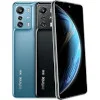




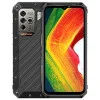




Comparison of Devices with Dimensity 900
Compared to Other SoC


Share in social media
Or Link To Us
<a href="https://cputronic.com/index.php/soc/mediatek-dimensity-900" target="_blank">MediaTek Dimensity 900</a>