MediaTek Dimensity 700
MediaTek Dimensity 700: A Balance Between Affordability and Modern Technology
April 2025
Introduction
The MediaTek Dimensity 700 is a mobile processor that has become a popular solution for budget and mid-range smartphones since its release in 2021. As of 2025, it remains relevant due to optimization, 5G support, and energy efficiency. In this article, we will explore who this chipset is suitable for, what advantages it offers, and how it stands against competitors.
1. Architecture and Manufacturing Process
Hybrid Core Structure
The Dimensity 700 is built on an 8-core architecture with two clusters:
- 2 Cortex-A76 cores operating at speeds up to 2.2 GHz for resource-intensive tasks;
- 6 Cortex-A55 cores operating at speeds up to 2.0 GHz for background processes.
This combination provides a balance between performance and power savings. The L2 cache of 1 MB accelerates the processing of frequently used data, which is especially important for multitasking.
7nm Manufacturing Process: Efficiency First
The use of TSMC's 7nm technology reduces thermal output (TDP - 6 W) and increases efficiency. This allows smartphones to run longer without overheating, even under heavy use.
Mali-G57 MP2 GPU
The graphics processor with two computational units supports resolutions up to 2520x1080 pixels and a refresh rate of 90 Hz. It is optimized for Vulkan and OpenGL ES 3.2, improving compatibility with games and applications.
2. Performance in Real-World Tasks
Gaming: Comfort on Medium Settings
- PUBG Mobile, Genshin Impact - stable 30-40 FPS on medium graphics settings.
- Honkai: Star Rail - up to 35 FPS, but dips may occur in complex scenes.
- For casual games (Candy Crush, Among Us), performance is excessive.
Multimedia: Full HD+ and HDR Support
The chipset decodes video in 4K@30 FPS (encoding - 2K@30 FPS). Support for HDR10+ and formats like AV1, H.265 makes it suitable for streaming.
AI Tasks: Basic Capabilities
The integrated APU 3.0 accelerates facial recognition, scene detection in the camera, and background photo processing. However, it lacks the power for complex tasks (e.g., generative AI).
Power Consumption and Heating
Thanks to the 7nm manufacturing process and optimization, smartphones with the Dimensity 700 easily sustain 6-8 hours of screen time. Even during lengthy gaming sessions, temperatures rarely exceed 40-42°C.
3. Integrated Modules
5G Modem: Access to Next-Generation Speeds
The integrated modem supports SA/NSA networks, Sub-6 GHz frequencies, and speeds up to 2.77 Gbps. This makes the device future-proof in regions with developed 5G infrastructure.
Wi-Fi 5 and Bluetooth 5.2
- Wi-Fi 5 (802.11ac) provides speeds up to 1.2 Gbps;
- Bluetooth 5.2 enhances the stability of connections with wireless headphones and devices.
Navigation: GPS, GLONASS, Galileo
Positioning accuracy is up to 1-3 meters in open areas. Dual-frequency support (L1+L5) reduces satellite search time.
4. Comparison with Competitors
Qualcomm Snapdragon 4 Gen 2
- Similar performance in Geekbench 6 (Single Core - ~700, Multi Core - ~1800).
- Snapdragon excels in energy efficiency but falls short in AV1 support.
- Smartphone prices: $180-$250.
Samsung Exynos 1280
- Better graphics (Mali-G68 MP4) but higher heating.
- Lack of AV1 support.
- Device prices: $200-$300.
Unisoc T820
- Cheaper, but weaker in multi-threaded tasks (Geekbench Multi Core - ~1500).
- Suitable for ultra-budget models ($120-$180).
Conclusion: The Dimensity 700 is ideal for those seeking a balance between price, 5G, and stability.
5. Usage Scenarios
Gaming
Suitable for casual gamers. It is recommended to choose models with 6-8 GB of RAM and a cooling system (for example, Xiaomi Redmi Note 12 5G).
Everyday Tasks
- Smooth operation with social media, messengers, and maps.
- Simultaneous opening of 10-15 tabs in the browser.
Photography and Video
- Support for cameras up to 64 MP and 4K video recording.
- Night mode and EIS stabilization work well, but HDR shooting may lag.
6. Advantages and Disadvantages
Pros:
- 5G support at an affordable price.
- Low power consumption.
- Good optimization for Android 14-15.
Cons:
- Weak GPU for AAA games.
- No Wi-Fi 6.
- Limited AI performance.
7. Practical Tips for Choosing a Smartphone
- RAM: A minimum of 6 GB for gaming.
- Storage: Preferably UFS 2.2 (not eMMC).
- Battery: 5000 mAh compensates for any load.
- Examples of 2025 models:
- Realme 10 5G ($220): 8/128 GB, AMOLED 90 Hz.
- Nokia G42 5G ($200): 6/128 GB, IP52.
8. Final Conclusion
The MediaTek Dimensity 700 is an ideal choice for:
1. Budget users looking for 5G without overspending.
2. Students and teenagers valuing autonomy.
3. Older adults using smartphones for calls, photos, and social media.
Key benefits: affordability, stability, and preparedness for future networks. If you're not a demanding gamer and do not plan to use neural networks, the Dimensity 700 will be a reliable companion for 2-3 years.
SOC Comparison
Compare Dimensity 700 with other SOCs
Basic
6x 2 GHz – Cortex-A55
GPU Specifications
Connectivity
Memory Specifications
Miscellaneous
Benchmarks
Phones with Dimensity 700
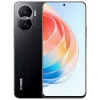











Comparison of Devices with Dimensity 700
Compared to Other SoC
Related SoC Comparisons


Share in social media
Or Link To Us
<a href="https://cputronic.com/index.php/soc/mediatek-dimensity-700" target="_blank">MediaTek Dimensity 700</a>